

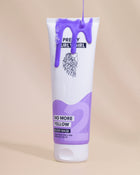

And why good curly hair products are essential for healthy curls
Curly hair requires a completely different approach than straight hair. Yet curls are still too often treated as if they are straight. Wet cutting, standard layering techniques, one size fits all products. The result is frustration, frizz, and curls that simply do not behave the way they should.
That is why more and more people are discovering the importance of dry cutting curls by a specialised curly hair stylist combined with the use of good curly hair products. In this in depth blog, you will learn exactly why curls should be cut dry, what the difference is between a regular hairdresser and a true curly hair specialist, and why the right products are essential to keep your haircut and curls healthy. Dry cutting curly hair versus wet cutting curly hair. There is a big difference, and we are happy to explain why choosing dry cutting makes all the difference.
Content table
-
What makes curly hair different from straight hair
-
Why wet cutting does not work for curls
-
What is dry cutting curly hair
-
The benefits of dry cutting curls
-
What a professional curly hair stylist does differently
-
Common mistakes when cutting curly hair
-
Why curl pattern and shape are leading
-
The role of curly hair products during cutting
-
Why good curly hair products are essential
-
Ingredients curls need
-
What the wrong products do to your curls
-
The collaboration between curly hair stylist and products
-
How to maintain a dry cut curly haircut
-
Who dry cutting curly hair is suitable for
-
Frequently asked questions about dry cutting curls
-
Conclusion investing in your curls pays off
Dry cutting curly hair versus wet cutting curly hair. There is a big difference, and we are happy to explain why choosing dry cutting makes all the difference.
1. What makes curly hair different from straight hair
Curly hair grows from a curved hair follicle. This gives the hair its natural spiral shape. This has a major impact on how the hair falls, how it reacts to cutting, and how it retains moisture.
Curls are often drier, more fragile, and more sensitive to incorrect techniques. Each curl moves differently and responds differently to length, weight, and product use. That is why a standard cutting technique simply does not work for curly hair.
2. Why wet cutting does not work for curls
When curls are cut wet, they are stretched by the water. The hair appears longer than it actually is, and the natural curl pattern is not visible.
This leads to several issues. Shrinkage is not taken into account. Curls fall differently once dry. The shape no longer looks right at home.
Many people recognise this experience. In the salon everything looks fine, but once the hair dries, some sections are too short while others are too heavy. This is exactly why the difference between wet cutting and dry cutting curly hair is so significant.
3. What is dry cutting curly hair
Dry cutting curly hair means cutting the hair while it is dry and styled. The curly hair stylist cuts curl by curl, based on natural fall, volume, and shape.
What is dry cutting curly hair
Dry cutting curly hair is a cutting technique in which curly hair is cut in its dry, styled state. The stylist works curl by curl and takes shrinkage, volume, and curl pattern into account. This results in a haircut that falls naturally, frizzes less, and keeps its shape longer.
4. The benefits of dry cutting curls
Dry cutting curls offers clear benefits. Better shape and balance. More definition per curl. Less frizz. Natural volume. No surprises after washing.
You immediately see the final result, not a result that may still change. With wet cutting, you do not know how the hair will fall and shrink once dry. Wet cutting may look fine in the moment, but once the hair dries, the unwanted outcome becomes visible.
5. What a professional curly hair stylist does differently
A professional curly hair stylist looks beyond just cutting. He or she analyses your curl type, hair porosity, how you wear your hair daily, and which products you use.
A curly hair stylist does not create standard layers, but shapes the haircut in a way that supports your natural curls.
6. Common mistakes when cutting curly hair
At regular salons, the same mistakes are often made. Wet cutting without curl analysis. Thinning with thinning scissors. Stretching curls straight during styling. Using silicone heavy products.
These mistakes cause curls to lose their strength, shape, and definition.
7. Why curl pattern and shape are leading
With curly hair, shape is secondary to the curl pattern. Each curl determines how the haircut falls.
A well executed dry cut moves with the curls, grows out more beautifully, and keeps its shape longer. That is why cutting curls curl by curl is essential for a long lasting result.
8. The role of curly hair products during cutting
During the cutting process, good curly hair products are indispensable. They reveal how your curls truly behave.
A curly hair stylist uses products that hydrate without weighing the hair down, provide definition without stiffness, and are free from silicones and drying alcohols.
Without the right products, even the best cutting technique is less effective.
9. Why good curly hair products are essential
Curly hair products are not a styling luxury, but a basic necessity. They support moisture balance, elasticity, bounce, shine, and curl definition.
Without good products, curls lose definition and become dry and frizzy. That is why the best curly hair products are always tailored to hair type and porosity.
10. Ingredients curls need
Effective curly hair products contain hydrating ingredients, plant based active extracts, lightweight nourishing oils, and protein when needed.
This combination helps curls stay strong, flexible, and resilient.
11. What the wrong products do to your curls
Products with heavy silicones, waxes, or drying alcohol cause build up, dull curls, increased frizz, limp hair, and an irritated scalp.
Many people believe they have problem hair, while the real problem lies in the products they use.
12. The collaboration between curly hair stylist and products
The best results are achieved when curls are cut dry, the routine suits the hair, and the products support the haircut.
That is why a good curly hair stylist always recommends curly hair products for hydration and definition.
13. How to maintain a dry cut curly haircut
Maintenance is crucial to keep the haircut looking good. Wash with gentle cleansers. Use a nourishing conditioner. Style on wet hair. Dry with a diffuser or air dry.
This helps maintain the shape until the next appointment.
14. Who dry cutting curly hair is suitable for
Dry cutting curly hair is suitable for all curl types from type 2 to type 4.
From loose waves to tight coils, every curl benefits from dry cutting instead of wet cutting.
15. Frequently asked questions about dry cutting curls
Is dry cutting curly hair more expensive
Yes. It requires more time, expertise, and precision.
How often should you cut curly hair
On average every 3 to 5 months.
Can every stylist dry cut curly hair
No. It requires specific training and experience.
Why should curls be cut dry
Because curls stretch when wet and shrink when dry. Dry cutting allows the stylist to see exactly how each curl falls, creating a haircut that looks right immediately.
What is the difference between wet and dry cutting curls
Wet cutting is done on wet hair, meaning curls are stretched by water. Dry cutting is done in the natural fall of the curls, resulting in more accurate shape and length. Not every curl dries the same way.
Is dry cutting better for all curl types
Yes, from waves to coils. Especially for tighter curl patterns, dry cutting is more precise because shrinkage and volume play a bigger role.
Why are good curly hair products essential
Because curly hair dries out faster. The right products support hydration, definition, and protection against frizz and build up.
Which products do you really need for a curly hair routine
You only need three to four products. A gentle cleanser, a conditioner, and one or two styling products such as a leave in and a gel.
16. Conclusion investing in your curls pays off
Curls are not a trend. You are born with them. They are a hair type that requires knowledge, attention, and respect. By choosing dry cutting by a specialized curly hair stylist and investing in good curly hair products, you give your hair the opportunity to do what it is meant to do.
Be healthy. Be resilient. Be itself.
Want to get the most out of your curls
Combine a professionally dry cut haircut with good curly hair products that support hydration, definition, and bounce. Discover which products suit your curls and build hair that looks right from root to tip.
Our product lines are now used by more than 1,000 salons worldwide. Find a curly hair stylist near you.
Be Pretty. Be Curly. Be You.


